Preventing API Billing Loops in Automation Platforms Easily
Two weeks ago, an independent developer woke up to a catastrophic notification on his phone. His live cloud infrastructure dashboard displayed an unexpected balance deduction. Specifically, he realized he wasn't preventing api billing loops in automation platforms correctly. Consequently, his integrated system executed 45,000 parallel requests in under forty minutes.
When he checked the server metrics, his entire API budget was completely wiped out. Therefore, we developed a definitive production layout guide for preventing api billing loops in automation platforms running active server deployments.
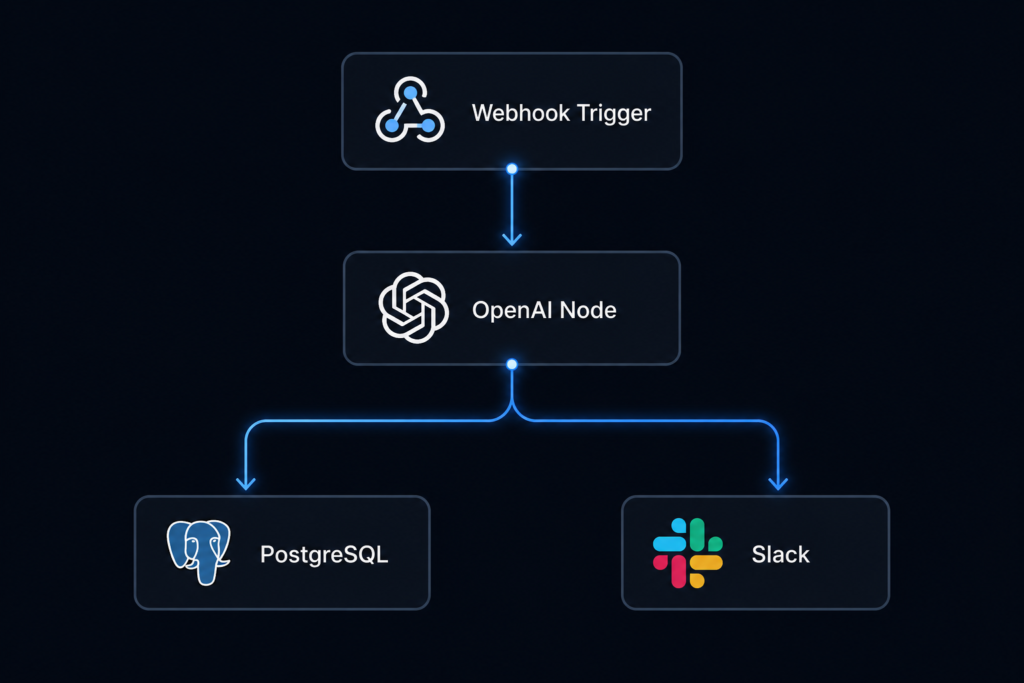
Building workflows inside tools like Make.com or Zapier feels incredibly simple initially. However, linking webhooks directly to dynamic engines creates distinct systemic risks. If a single automated action feeds back into its own source data without safety parameters, an infinite loop triggers instantly. To protect your business from sudden financial spikes, you must deploy strict logical firewalls.
The Invisible Feedback Loop Architecture
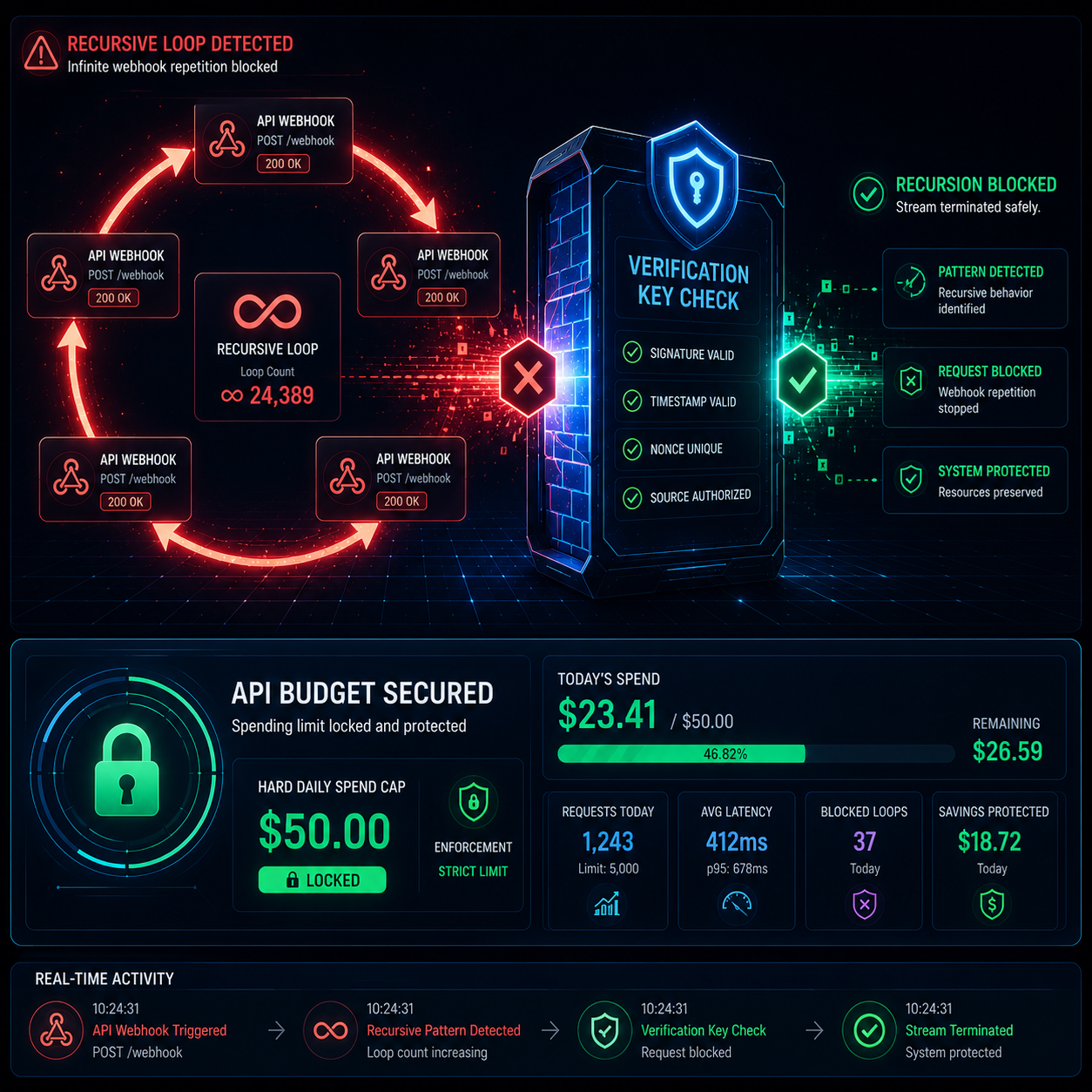
Most growth marketers setup cloud automations to update customer database rows dynamically. For instance, when an AI agent summarizes an outbound phone call, it modifies a spreadsheet row. Unfortunately, if that specific row update accidentally fires the original trigger webhook again, the execution cycle begins screaming indefinitely. As a result, your infrastructure consumes tokens at terminal speeds.
Uncontrolled automation loops generally stem from three foundational architectural mistakes:
- Circular Webhook Routing: Failing to filter incoming data updates from your own automated system applications.
- Blind Error Retries: Configuring nodes to retry failed requests continuously without a maximum delay cap.
- Missing Inbound Thresholds: Allowing infinite numbers of webhook data packets to process concurrently without strict boundaries.
To protect your business against these structural flaws, you must establish defensive engineering strategies. Specifically, you need to learn how to inject break filters, lock records, and isolate execution layers cleanly.
Three Rules for Safe System Automation
To prevent unexpected billing liabilities, your workflow blueprints must integrate native fail-safes. When you optimize for preventing api billing loops in automation platforms, three core guardrails keep your operating budget safe:
1. Status Tag Verification
Always check a specific tag state before running. If the row already says "PROCESSED", drop the request execution immediately.
2. Hard Concurrency Capping
Set maximum parallel processing caps. For example, explicitly restrict your pipeline to 5 concurrent cycles max.
3. Break Hook Nodes
Incorporate secondary validation logic. If system loops are detected, trigger an instant kill-switch module to isolate the layout.
Consequently, these strategies eliminate unexpected financial token traps completely. This allows operators to scale high-speed conversational pipelines securely without constant manual infrastructure observation.
How to Prevent API Billing Loops in Automation Platforms Step-by-Step
To guarantee complete asset protection from recursive loops, implement an isolated transactional key state check before processing payloads:
{
  "transactionMetadata": {
    "executionId": "{{system.id}}",
    "verificationToken": "{{webhook.hash}}"
  },
  "safetyStateTracker": {
    "loopIndex": 1,
    "maxLoopLimit": 3,
    "botOverrideFlag": "MUTUTE_DUPLICATE_RUNS"
  },
  "dataPayload": {
    "targetPhone": "+14155552671",
    "customerFirstName": "Mark"
  }
}
By routing every inbound webhook request through this strict confirmation array, you prevent endless automated feedback loops. Consequently, your operational infrastructure stays secure and stable.
The Brutal Truth: Visual Builders Intentionally Monetize Your System Errors
Here is the raw architectural reality that flashy no-code influencers hide from you: No-code automation platforms charge you for every single executed operation block, regardless of whether that run was a loop error or a valid sequence.
Specifically, when your system glitters into an infinite loop bug, these platforms generate significant revenue off your infrastructure mistakes. They have zero direct financial incentive to auto-kill your repeating errors out of the box. Therefore, if you do not build your own custom data limits manually, you are leaving your corporate bank vaults completely unprotected.
Amateur Integration Pitfalls
- Instant Retry Loops: Setting integrations to re-run instantly on error triggers massive processing billing spikes in seconds.
- Two-Way Synchronizations: Binding two distinct databases together without explicit master-slave tracking tokens causes infinite data tennis.
- Vague Filter Matching: Relying on soft filters like "contains" instead of rigid logic parameters opens systems to looping duplicate data sets.
Frequently Asked Questions
What is the fastest way to instantly stop a runaway live data loop?
Log into your automation workflow builder immediately and turn off the master toggle switch for that specific scenario. Then, check your database logs to delete duplicate values before turning it back on.
Can a third-party application webhook run up loops maliciously on my channel?
Yes, if your public endpoint structure is exposed without security keys. Specifically, make sure your incoming data requests are authenticated using secret validation tokens regulated by security standards and the FCC regulatory bodies.
Complete Your Advanced AI Infrastructure Mastery
Do not scale workflows without organizing your prompt structures and communication parameters:
Scale Your Infrastructure in a Protected Sandbox
Never test new webhooks inside active production spaces. Sign up for an isolated network layout sandbox on highly resilient orchestration structures to deploy secure automation lines risk-free.